
A break-in can leave a Chicago home, storefront, apartment building, or commercial property exposed through a damaged door, shattered window, or compromised entryway. Once police have addressed the immediate incident, property owners need to think about securing the opening, documenting the damage, and preventing additional loss.
Quick answer: After a break-in, property owners should first make sure everyone is safe and contact police when appropriate. Avoid disturbing the damaged area until law enforcement has completed any necessary response. Then photograph the damage, notify your insurer if applicable, and arrange emergency board-up service when a door, window, or other exterior opening can no longer be secured normally.
What local property owners should know
- A broken exterior door or window should not be left unsecured while permanent repairs are being scheduled.
- Chicago Police Department guidance directs residents to call 911 for a crime in progress or an emergency requiring immediate police response, while non-emergency situations can be reported through appropriate non-emergency channels.
- Properties in neighborhoods from Lincoln Park and Lakeview to Pilsen and Hyde Park can include very different entry systems, from older wood-frame windows to modern commercial glass.
- Photos of damaged doors, locks, frames, windows, and affected interior areas can help create a record before temporary or permanent repairs begin.
- Board-up work is generally a temporary security measure. Damaged doors, glass, frames, masonry, or locking hardware may still require permanent repair.
What Should You Do Immediately After a Break-In?
Immediately after a break-in, prioritize personal safety, contact law enforcement when appropriate, preserve the scene, and secure damaged openings only after authorities have finished with the affected area. Entering too quickly or moving damaged items may create unnecessary safety risks or disturb evidence.
If you arrive and believe someone may still be inside, stay away from the property and contact 911. Chicago Police Department materials identify 911 as the number for crimes in progress and other emergencies requiring an immediate police response.
Once it is safe to assess the property, look for broken glass, damaged locks, split door frames, forced windows, or other openings that prevent the building from being secured. Photograph visible damage before cleanup or temporary repairs when practical.
Why Does Emergency Board-Up Matter in Chicago?
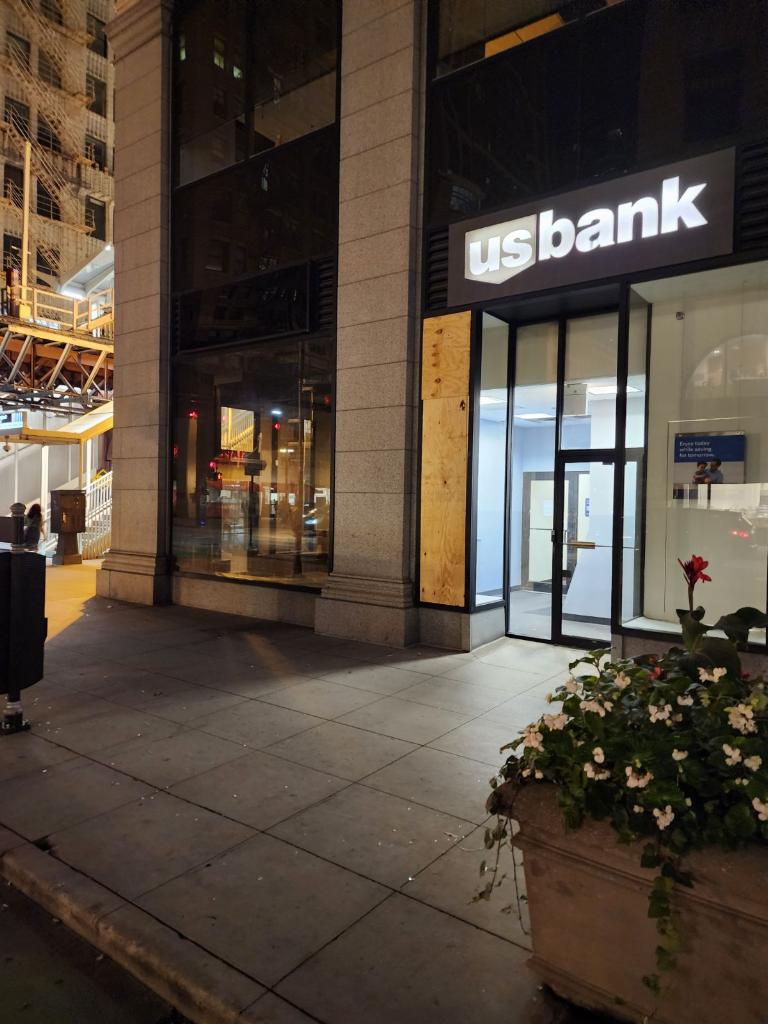
Emergency board-up matters because a damaged exterior opening can leave a local property vulnerable to unauthorized entry, weather exposure, and additional property damage. Temporary boarding creates a physical barrier while the owner coordinates glass replacement, door repair, lock work, or other permanent restoration.
That can be especially relevant across Chicago’s varied building stock. A storefront near the Loop may have large glass openings, while a two-flat in Logan Square, a greystone in Bronzeville, or a brick apartment property on the North Side may have very different doors and windows.
Top Board UP provides board-up services for property owners dealing with damaged openings. After this first mention, our role is straightforward: we help temporarily secure vulnerable entry points while the property owner determines the appropriate permanent repairs.
What Do Local Building Requirements Say About Securing a Property?
Chicago property owners are expected to maintain buildings and exterior openings in safe condition, making prompt attention to damaged doors and windows important after a break-in. The exact requirements can depend on the condition, occupancy, and use of the building.
City of Chicago Department of Buildings inspection records reference requirements to maintain windows and doors in safe condition and contain additional requirements for properties that become vacant or dangerous.
A board-up should not automatically be treated as a substitute for required permanent repairs. If the break-in caused structural damage or created questions about permits, fire-rated assemblies, occupancy, or vacant-building requirements, the property owner should confirm what applies to that specific building.
How Can a Break-In Affect a Chicago Property?
A break-in can affect more than the stolen property because forced entry may damage the building envelope, locks, frames, glass, and surrounding materials. Leaving those areas exposed can complicate cleanup and increase the possibility of further damage.
Cold weather, rain, wind, and snow can also enter through an unsecured exterior opening. For businesses, an exposed storefront can interfere with operations or prevent staff from securing the premises at closing. Rental property owners may also need to address access and security concerns for tenants.
What Are the Signs You Need Emergency Board-Up Service?
Emergency board-up is generally appropriate when break-in damage leaves an exterior opening that cannot be securely closed and locked using its normal hardware. Property owners should inspect the affected area only after it is safe to do so.
Warning signs include:
- A window is shattered or completely missing.
- A door has been forced out of alignment and will not latch.
- The door frame is split around the lock or strike plate.
- Storefront glass has been broken or removed.
- A window frame is damaged enough that replacement glass cannot be installed immediately.
- An exterior opening can be pushed or pulled open despite being locked.
- Broken materials create an accessible opening into the building.
- Permanent door or glass replacement cannot be completed immediately.
When Should You Call a Professional?
Call a professional when the damaged opening cannot be safely and securely closed without temporary materials, specialized equipment, or work around broken glass. Small cleanup tasks may be manageable after the scene is released, but unstable glass and severely damaged entry systems should be approached carefully.
A professional board-up is particularly useful for large storefront windows, multiple damaged openings, commercial entrances, or doors with significant frame damage.
Property owners should also contact the appropriate specialist when damage extends beyond the opening itself. Electrical damage, structural movement, fire-system components, or damaged masonry may require qualified trades rather than board-up work alone.
What Commonly Needs to Be Secured After a Break-In?
Doors, windows, storefront glass, and other accessible exterior openings are the most common areas requiring temporary security after forced entry. The correct approach depends on the size and condition of the opening and the surrounding building materials.
Older residential properties in areas such as Wicker Park or Ukrainian Village may have wood doors and window assemblies that react differently to forced entry than aluminum commercial storefront systems. Multi-unit brick buildings may also have common entrances that require attention to resident access while damaged areas are secured.
The goal is not simply to cover visible damage. The temporary solution should address the actual accessible opening without creating unnecessary additional damage.
How Can Property Owners Reduce Problems After the Property Is Secured?
Property owners can reduce post-break-in problems by documenting damage, preserving records, arranging permanent repairs promptly, and reviewing vulnerable entry points after temporary security is installed. Emergency boarding addresses the immediate opening, but recovery should continue after the building is closed.
Chicago Police Department burglary-prevention guidance recommends measures including strong window locks, locked doors and gates, exterior lighting, security cameras or alarms, visible house numbers, and trimmed vegetation around windows.
After the incident, owners can review whether damaged locks, doors, windows, lighting, gates, or other security components should be repaired or upgraded.
What Results Should You Expect From a Board-Up?
A board-up should provide temporary protection for a damaged opening until appropriate permanent repairs can be completed. It should not be expected to restore a broken window, damaged door, or compromised frame to its original condition.
After boarding, the next steps may include glass replacement, door or frame repair, lock replacement, storefront work, or another specialized repair. Keep photos, invoices, police documentation, and repair records together if they may be needed for an insurance claim or property file.
What Mistakes Should Property Owners Avoid?
The biggest mistakes after a break-in are entering an unsafe property too soon, cleaning before documenting damage, and leaving an accessible opening unsecured. A more organized response can reduce confusion during an already stressful situation.
Mistake: Entering while the situation may still be active.
Consequence: You could encounter an intruder or another hazard.
Better approach: Stay in a safe location and contact police.
Mistake: Throwing away broken materials immediately.
Consequence: Useful documentation may be lost.
Better approach: Photograph visible damage before cleanup when safe.
Mistake: Treating temporary plywood as the final repair.
Consequence: Underlying door, window, frame, or building damage remains unresolved.
Better approach: Schedule the appropriate permanent repair after securing the opening.
What Is a Common Local Break-In Scenario?
A common local scenario is a property owner discovering a forced exterior door or broken window after arriving at a home, rental building, or business. This is an example of how the response may unfold, not a Top Board UP case study.
After police response and documentation, the owner finds that the damaged opening will not lock. Permanent glass or door work cannot be completed immediately, so temporary boarding is used to close the accessible area. The owner then coordinates insurance documentation and permanent repairs.
What Service Solutions May Be Needed?
The services needed after a break-in depend on whether the immediate problem is an unsecured opening, damaged glass, a compromised door, or broader building damage. Emergency board-up addresses temporary security, while permanent restoration may require additional trades.
Our board-up service is intended to help close exposed doors, windows, storefront openings, and similar vulnerable areas until the appropriate permanent repair can be arranged.
Is DIY Boarding or Professional Board-Up the Better Fit?
DIY boarding may be reasonable for a small, safely accessible opening, while professional board-up is more appropriate when broken glass, large openings, commercial storefronts, height, or extensive entry damage makes the work difficult or hazardous.
Property owners should avoid climbing around unstable openings or handling large sections of damaged glass without appropriate experience and equipment. Professional service can also be useful when several openings need to be secured quickly.
Neither option replaces permanent repairs when the door, window, frame, or surrounding structure has been damaged.
What Areas Can Emergency Board-Up Service Support?
Emergency board-up can be relevant throughout Chicago and surrounding service areas where homes, rental properties, storefronts, offices, and other buildings are left exposed after forced entry. Local needs can range from residential openings to large commercial glass systems.
Property owners in areas such as Lakeview, Logan Square, Lincoln Park, Bronzeville, Hyde Park, Pilsen, and surrounding communities may encounter different building types that require different temporary-security approaches.
What Can Happen If You Leave Break-In Damage Unsecured?
Leaving break-in damage unsecured can allow additional unauthorized access and expose the interior to rain, wind, cold, debris, and other preventable damage. The longer an exterior opening remains accessible, the longer the property remains difficult to secure normally.
The practical goal is to close the vulnerability promptly without skipping police documentation, insurance steps, or permanent repairs.
FAQ
How quickly should I board up a broken window after a break-in in Chicago?
A broken window should generally be secured as soon as police have completed any necessary work at the scene and it is safe to begin property protection. If permanent glass replacement cannot happen promptly, temporary boarding can close the opening until repairs are available.
Should I call police before a board-up company in Chicago?
Yes, contact police first when you discover a suspected break-in, particularly if the incident may still be in progress or someone could remain inside. For an active emergency requiring immediate police response, Chicago Police Department guidance directs residents to call 911.
Should I take photos before boarding the property?
Yes, photograph the visible damage before temporary repairs when doing so is safe and does not interfere with police activity. Capture the damaged opening, lock, frame, broken glass, surrounding area, and affected interior property. Those images can provide a useful record for insurance and repair documentation.
Is boarding a broken door a permanent repair?
No, boarding is normally a temporary security measure rather than a permanent door repair. A forced door may still require replacement or repair of the slab, frame, jamb, strike area, locks, hinges, or surrounding materials before normal security and operation are restored.
Can a Chicago storefront be boarded after its glass is broken?
Yes, temporary boarding can be used to secure many storefront openings when broken glass leaves the business exposed. The exact approach depends on the storefront dimensions, remaining glass, frame condition, and surrounding materials. Permanent commercial glass replacement should then be arranged separately.
What if my Chicago rental property is damaged during a break-in?
Secure the immediate hazard and exposed opening after appropriate police response, then document the condition and coordinate necessary repairs. Rental properties can create additional access considerations because tenants may still need safe entry and exit, so temporary work should not unnecessarily interfere with required access.
Does Chicago have rules for damaged or open buildings?
Yes, City of Chicago building requirements address the safe condition of buildings, including doors and windows, and impose additional requirements in certain vacant or dangerous-building situations. The rules that apply depend on the property’s specific condition, so owners facing significant damage should verify applicable requirements.
What should I do after the board-up is complete?
After boarding is complete, arrange permanent repairs and review the affected property’s security. Depending on the damage, next steps may include replacing glass, repairing the door or frame, changing locks, reviewing lighting or cameras, contacting an insurer, and keeping documentation from the incident and repairs.
Protect the Property While You Plan Permanent Repairs
A break-in can create several problems at once, but the immediate property-security steps are straightforward: stay safe, involve law enforcement when appropriate, document the damage, and close any exterior opening that can no longer be secured normally.
Secure Your Chicago Property After a Break-In
We can help temporarily protect damaged doors, windows, storefronts, and other exposed openings while you arrange the next stage of repair.