

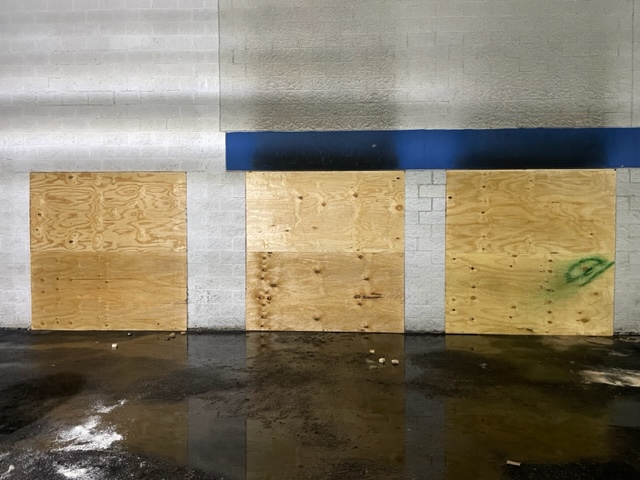
Strong thunderstorms, hail, wind, and flying debris can leave buildings throughout the Lake Michigan corridor exposed within minutes. For property owners in Waukegan, Kenosha, and Racine, a damaged window, door, storefront, or roof opening can quickly turn storm damage into a larger security and water-intrusion problem.
The first priority after a storm is to make sure people are safe. Once immediate hazards have passed, owners should identify openings in the building envelope, restrict access to unsafe areas, document visible damage, and arrange temporary protection for broken windows, doors, and other exposed entry points.
What local property owners should know
-
Broken windows and damaged doors should be secured promptly because they can allow rain, debris, animals, and unauthorized people into the property.
-
Buildings near Lake Michigan in communities such as Waukegan, Kenosha, and Racine can experience wind-driven rain that enters through openings that initially appear minor.
-
Property owners should photograph visible storm damage before temporary repairs are made whenever it is safe to do so.
-
Electrical hazards, unstable roofing, fallen utility lines, and structural movement should be left to qualified professionals.
-
Temporary board-up work is intended to protect a damaged building until permanent repairs can be evaluated and completed.
Why Storm Damage Requires Fast Building Protection in Waukegan, Kenosha & Racine
Storm-damaged buildings in Waukegan, Kenosha, and Racine should be secured quickly because an exposed opening can allow additional weather damage, create security concerns, and complicate the repair process. Temporary protection helps limit access to vulnerable areas while property owners determine what permanent repairs are necessary.
The three-city corridor includes residential neighborhoods, downtown storefronts, industrial properties, apartment buildings, detached garages, and commercial facilities. Damage that affects a small residential window may require a different response than a shattered retail storefront or a damaged warehouse entrance.
Lake Michigan also shapes local weather conditions. Wind-driven rain can push moisture through broken glass, damaged siding, doors, roof edges, and other openings. During colder months, repeated freezing and thawing can add another concern when water enters damaged materials.
Top Board UP serves the Kenosha area, and we understand that securing an exposed property is often one of the first practical steps after the immediate storm danger has passed.
Local Storm Risks Property Owners Should Recognize
Local buildings can be damaged by strong winds, hail, falling branches, wind-driven debris, and heavy rain, with each type of damage creating different vulnerabilities. Property owners should look beyond obvious broken glass and check the entire accessible exterior from a safe location.
The Lake Michigan corridor regularly experiences weather capable of affecting roofs, siding, windows, trees, signs, and utility infrastructure. National Weather Service warnings for southeastern Wisconsin and northeastern Illinois specifically identify damaging winds and hail as threats capable of damaging roofs, siding, windows, and trees.
For local owners, that means storm inspections should consider more than what can be seen from the front entrance.
Warning Signs That a Building Needs Temporary Protection
A building may need professional board-up or temporary securing when storm damage leaves an opening, weakened entry point, or exposed interior space. Even damage that looks manageable from the sidewalk can allow additional rain or unauthorized access if the exterior envelope is no longer intact.
Watch for:
-
Shattered, cracked, or completely missing window glass.
-
Doors that will not close, lock, or sit correctly in their frames.
-
Broken storefront glass or damaged commercial entry systems.
-
Openings created by fallen trees or large branches.
-
Missing exterior panels or siding that exposes interior materials.
-
Visible roof openings that can be observed safely from ground level.
-
Garage doors that have been pushed inward or pulled away from their tracks.
-
Water entering through an opening created during the storm.
Do not enter areas where ceilings are sagging, electrical components are wet, gas odors are present, or structural materials appear unstable.
What to Do Immediately After Storm Damage
After storm damage, property owners should prioritize personal safety, prevent unnecessary entry, document damage, and arrange temporary protection for exposed portions of the building. The safest response is organized rather than rushed, especially when downed branches, electrical hazards, or unstable building materials are present.
Start by confirming that everyone is accounted for and stay clear of fallen utility lines. If authorities have restricted access to an area, follow those directions.
From a safe position, photograph damaged windows, doors, roofing, siding, signs, and interior areas affected by water. Documentation may be useful when communicating with insurers, restoration contractors, property managers, or repair companies.
Next, identify openings that could allow weather or unauthorized access inside. Those areas may need temporary securing until permanent repairs can begin.
When Property Owners Should Call a Professional
Professional help is appropriate when an opening cannot be safely secured from ground level or when broken glass, structural damage, unstable materials, or large commercial openings are involved. Temporary protection should reduce risk, not require an owner to climb onto a damaged structure or work around dangerous debris.
A property owner may be able to visually inspect undamaged areas or move belongings away from a small leak when it is safe. DIY work should stop when the task involves climbing near a damaged roof, handling large sheets of broken glass, working near electrical hazards, or securing openings that require specialized equipment.
This is especially relevant for multi-unit buildings, storefronts, warehouses, and commercial properties in Kenosha County, Racine County, and Lake County.
Common Causes of Building Openings After Local Storms
The most common storm-related building openings in this region come from wind, hail, falling trees, flying debris, and damage to doors or roofing components. Understanding what caused the opening can help property owners identify other areas that deserve inspection.
High winds: Strong gusts can loosen roofing materials, damage signs, force doors, and send outdoor objects into windows.
Falling limbs: Mature trees in residential neighborhoods and around commercial properties can damage roofs, windows, garages, and exterior walls.
Hail: Hail can damage roofing, siding, skylights, and glass, particularly when accompanied by strong winds.
Flying debris: Fencing materials, branches, outdoor furniture, construction materials, and other loose objects can become impact hazards.
Wind-driven rain: Once the exterior is damaged, rain can travel farther into a building than owners may expect.
These risks can affect properties from Waukegan and North Chicago north through Pleasant Prairie and Kenosha, then into Somers, Mount Pleasant, and Racine.
How Temporary Board-Up Helps Protect a Damaged Property
Temporary board-up closes vulnerable openings so a storm-damaged building has a physical barrier against additional weather exposure and unwanted entry. It does not replace permanent reconstruction, but it can provide an important bridge between the initial damage and the repair phase.
Windows and doors are among the most common areas that may require temporary coverage. Commercial storefronts can also need larger protective panels when glass systems have been damaged.
The objective is to secure the affected opening without treating a temporary measure as a permanent repair. Property owners can then coordinate glass replacement, roofing work, structural repairs, water mitigation, or other restoration services based on the damage.
How to Reduce Storm Damage Before the Next Weather Event
Property owners can reduce future storm exposure by maintaining trees, checking exterior components, securing loose outdoor items, and addressing weakened windows, doors, roofing, and siding before severe weather arrives. Seasonal inspections are especially useful before the region’s primary thunderstorm periods and before winter weather returns.
Inspect visible exterior areas from the ground for loose siding, deteriorated trim, damaged door hardware, cracked windows, and unsecured outdoor objects. Commercial owners should also check signage, dumpsters, outdoor furniture, temporary displays, and exterior storage.
Tree maintenance can matter as well. Branches hanging over roofs, garages, parking areas, or utility connections should be evaluated before severe weather rather than after a limb has already fallen.
Property owners should avoid climbing onto roofs for storm preparation or inspection unless they have the appropriate training and equipment.
Common Mistakes After a Storm
The biggest post-storm mistakes are delaying protection, entering unsafe areas, covering damage before documenting it, and assuming a small opening cannot cause additional problems. A better approach is to protect people first, preserve a record of the damage, and then secure exposed portions of the building.
Mistake: Waiting several days to address broken glass.
Consequence: Rain and unauthorized entry remain possible.
Better approach: Arrange temporary protection while permanent glass replacement is being scheduled.
Mistake: Climbing onto a damaged roof to investigate.
Consequence: Storm damage can create unstable surfaces that are difficult to recognize.
Better approach: Observe from the ground and use a qualified professional when roof access is required.
Mistake: Cleaning everything before taking photographs.
Consequence: Useful documentation of the original condition may be lost.
Better approach: Photograph accessible damage first when doing so is safe.
Mistake: Assuming a locked front door means the building is secure.
Consequence: Broken side windows, service doors, or rear openings may remain accessible.
Better approach: Check the complete accessible perimeter.
A Common Local Storm-Damage Scenario
A common local scenario involves a severe storm breaking one or more windows while damaging nearby siding, trees, or doors. The property may still appear usable, but wind-driven rain can reach interior flooring, walls, merchandise, equipment, or furnishings through the exposed opening.
For a storefront near downtown Kenosha or Racine, broken glass can also leave the building accessible from the street. At a home in Waukegan or Pleasant Prairie, a damaged patio door or garage window can create a similar vulnerability.
Temporary securing addresses the opening while the owner arranges the permanent repair.
Related Service Solutions After Storm Damage
Storm-damaged properties may need board-up service followed by glass replacement, roofing, water mitigation, structural repair, or other restoration work depending on what the storm affected. Board-up is generally one part of a larger recovery process rather than the final repair.
We can help property owners address exposed openings that need temporary protection after storms, accidents, vandalism, or other damage.
DIY Board-Up vs. Professional Board-Up
DIY protection may be reasonable only for small, safely accessible situations, while professional board-up is the better option for large openings, commercial glass, elevated damage, broken framing, or hazardous conditions. The deciding factor should be safety and the complexity of the opening rather than whether plywood is available.
A small ground-level opening with no broken glass or structural damage may be manageable for an experienced property owner. A shattered storefront, second-story window, damaged garage entrance, or opening surrounded by unstable materials presents a different level of risk.
Professional service can also be useful when owners are responsible for rental properties or commercial buildings and need the damaged area secured while multiple repair contractors are being coordinated.
Areas We Serve Around Kenosha
We serve property owners in the Kenosha area and can address storm-related board-up needs across nearby communities based on service availability. Local needs commonly extend through Kenosha County and toward communities such as Pleasant Prairie and Somers, with storm-damage concerns also affecting neighboring Racine and the Waukegan area.
[NEEDS INPUT: Confirm Top Board UP’s exact service radius before publishing this section.]
What Can Happen If Storm Openings Are Left Unsecured?
Leaving a storm-created opening unsecured can increase the chance of water intrusion, interior damage, animal entry, unauthorized access, and additional weather exposure. The longer the building remains open, the more opportunities there are for a manageable exterior problem to affect interior materials and belongings.
This does not mean every cracked window becomes a major restoration project. It does mean property owners should evaluate openings promptly rather than assuming the next round of weather will miss the property.
Along the Lake Michigan corridor, changing weather can make temporary protection especially valuable while permanent repairs are being arranged.
Frequently Asked Questions About Storm-Damaged Buildings
How quickly should I board up a broken window after a storm in Kenosha?
A broken window should generally be secured as soon as conditions are safe and the damage has been documented. Prompt temporary coverage helps reduce exposure to rain and unwanted entry while you arrange permanent glass replacement or other repairs. Stay away from loose glass and unstable framing until the area can be handled safely.
Do I need to board up a property after storm damage in Waukegan?
Board-up may be appropriate when storm damage in Waukegan leaves a window, door, storefront, or other opening exposed. Not every damaged exterior component requires boarding, but any opening that allows access to the interior should be evaluated promptly, particularly when additional rain or wind is possible.
Can I board up my own broken window in Racine?
You may be able to secure a small ground-level opening if there are no electrical, structural, height, or broken-glass hazards. For large windows, commercial storefronts, damaged frames, elevated openings, or unstable materials in Racine, professional assistance is safer than attempting temporary repairs yourself.
Should I document storm damage before the building is secured?
Yes, photograph accessible damage before temporary work begins whenever doing so is safe. Capture wider views and closer images of damaged windows, doors, siding, roofing, and affected interior areas. Do not delay urgent safety measures simply to obtain photographs, and never enter a hazardous area for documentation.
Can wind-driven rain cause problems after a window breaks in Kenosha?
Yes, wind-driven rain can enter through a broken window and reach walls, flooring, furnishings, inventory, or other interior materials. Because Kenosha sits along Lake Michigan and experiences strong storm systems, closing exposed openings can help limit additional weather exposure while permanent repairs are scheduled.
What should commercial property owners in Racine do after storefront glass breaks?
Commercial owners should keep people away from broken glass, document the damage, restrict access, and arrange temporary securing of the opening. Storefront systems can involve large panes, damaged frames, and public-facing access points, so they often require a more controlled response than a small residential window.
Is boarding up a building the same as repairing the storm damage?
No, board-up is temporary protection rather than the permanent repair. It closes or protects an exposed opening while the property owner coordinates glass work, roofing, structural repair, water mitigation, or other services. The temporary barrier should remain only as long as appropriate for the repair process.
What storm damage should I avoid inspecting myself?
Avoid entering or climbing near areas with fallen power lines, unstable roofing, sagging ceilings, major structural movement, wet electrical equipment, or large amounts of broken glass. Property owners in Waukegan, Kenosha, and Racine should observe hazardous damage from a safe location and involve the appropriate professionals.
Protect Your Property While Permanent Repairs Are Being Arranged
Storm damage can be disruptive, but securing exposed areas gives property owners a practical first step toward controlling what happens next. From residential windows to commercial storefronts, temporary protection can help keep a damaged building covered while the full repair plan is developed.
Secure Your Kenosha-Area Property After Storm Damage
If a storm has left a window, door, storefront, or other part of your building exposed, we can help you take the next step toward protecting the property.