

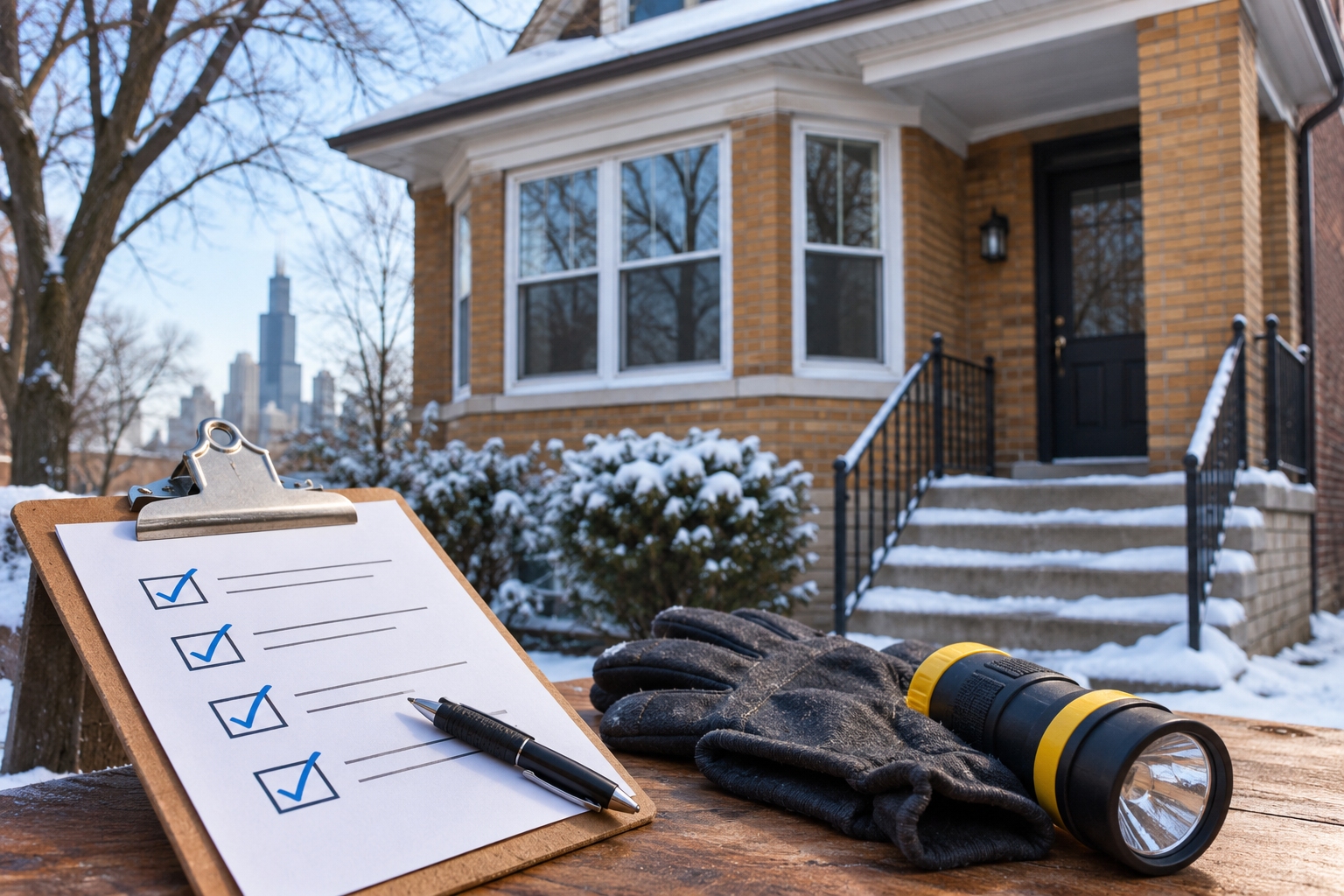
Owning an empty property in Chicago, IL, during the winter comes with a unique set of responsibilities. Maybe you’ve recently inherited a house that’s waiting to be sold, you’re managing a rental property between tenants, or your commercial building will remain unoccupied for several months. Whatever the circumstances, Chicago’s freezing temperatures, lake-effect winds, and winter storms can create serious problems when nobody is around to notice a broken window, leaking pipe, or unsecured entrance.
Winterizing a vacant property involves preparing the building to withstand freezing temperatures, moisture exposure, and other seasonal hazards while it’s unoccupied. This may include protecting plumbing, inspecting the roof, maintaining appropriate heating conditions, and securing vulnerable windows and doors. Professional board-up services provide temporary protection for exposed openings, helping limit weather intrusion and unauthorized access. However, boarding up a property is only one part of a complete winterization plan.
For Chicago property owners preparing for colder weather, several precautions deserve attention:
- Frozen pipes can cause extensive damage. Vacant homes in Chicago and nearby Oak Park may experience plumbing problems when indoor temperatures fall below safe levels.
- Broken windows expose interiors to winter conditions. Properties in neighborhoods like Humboldt Park and Austin can benefit from properly securing damaged openings before snow and freezing winds arrive.
- Unsecured doors create additional risks. Vacant property board ups in Chicago can help discourage unauthorized access while permanent repairs are arranged.
- Temporary board-up isn’t a permanent repair. Damaged windows, doors, roofs, and other building components still require appropriate restoration.
- Regular inspections remain important. Property owners should monitor vacant buildings throughout winter rather than assuming an initial winterization visit provides complete protection.
At Top Board UP, we’ve spent over 40 years helping Chicagoland property owners secure buildings after damage, break-ins, and other emergencies. Our 24/7 board-up services include vacant-building protection and winterization assistance, helping homeowners, landlords, and commercial property managers address vulnerable properties before additional problems develop.
Why Is Winterizing a Vacant Property Important in Chicago?
Winterizing a vacant property in Chicago is important because freezing temperatures, snow, ice, and strong winds can damage buildings that aren’t properly protected or monitored. Without occupants to notice developing problems, a broken window, heating failure, or frozen pipe may go undiscovered until substantial damage has occurred.
Chicago Winters Create Multiple Property Risks
Winter weather can affect a vacant building in several ways. Freezing temperatures threaten plumbing systems, while snow and moisture can enter through damaged roofs, windows, and doors.
Strong winds can also worsen existing damage around unsecured openings. If a window breaks during a storm, cold air and precipitation may enter rooms that were previously protected.
For older properties in neighborhoods like Logan Square, Bridgeport, and Irving Park, the condition of windows, roofing, and plumbing deserves particular attention before extended vacancies.
An Empty Building Requires Active Management
A vacant property isn’t necessarily a maintenance-free property. Even when nobody is living or working inside, the owner remains responsible for addressing applicable building conditions and safety requirements.
Regular inspections, winterization planning, and timely repairs help reduce the likelihood of minor problems becoming more expensive.
This is especially important for landlords and commercial property managers who may oversee several buildings throughout Cook County.
How Do Board-Up Services Protect Vacant Buildings During Winter?
Professional board-up services protect vacant buildings by temporarily covering damaged or vulnerable windows and doors to reduce weather exposure and discourage unauthorized entry. Properly secured openings can help limit wind-driven snow, rain, and debris from entering the building while permanent repairs are being arranged.
Protecting Broken or Missing Windows
A broken window creates an immediate opening for cold air, moisture, and debris.
During Chicago’s winter months, these exposures can contribute to water damage, damaged interior finishes, and additional heat loss.
Professional winter board up services provide a temporary barrier over affected openings. This can help protect the building while replacement glass or other permanent repairs are scheduled.
Securing Damaged Doors and Entrances
Vacant buildings with missing or damaged doors may be especially vulnerable to trespassing, theft, and vandalism.
When entrances are unsecured, unauthorized individuals may gain access to plumbing components, electrical equipment, and other building materials.
Our emergency board up in Chicago services help property owners secure damaged entry points promptly. We use appropriate board-up methods to address vulnerable areas while recognizing that temporary protection doesn’t replace permanent security improvements.
Understanding the Limitations of Board-Up
Boarding up a broken window doesn’t repair damaged framing, restore insulation, or resolve a leaking roof.
Likewise, securing an entrance doesn’t automatically protect plumbing from freezing.
For complete Chicago winter property protection, board-up should be coordinated with the property’s broader maintenance and winterization needs.
How Can You Prevent Frozen Pipes in a Vacant Chicago Property?
Preventing frozen pipes in a vacant Chicago property generally requires maintaining adequate heat or properly shutting down and draining vulnerable plumbing systems. The appropriate approach depends on the building’s occupancy plans, water supply configuration, heating equipment, and whether fire suppression systems must remain operational.
Why Frozen Pipes Are So Destructive
Water expands as it freezes, creating pressure within plumbing systems that can damage pipes and connections.
In some situations, the resulting leak becomes apparent only after temperatures rise and the frozen water begins to thaw.
An unoccupied building may experience substantial water damage before anyone discovers the problem.
Heating and Plumbing Winterization
Property owners should work with qualified plumbing and HVAC professionals to determine whether the building should remain heated or undergo more extensive plumbing winterization.
Depending on the property, professional preparations may involve:
- Evaluating exposed and vulnerable water supply lines.
- Maintaining appropriate indoor temperatures when heating remains active.
- Shutting off the water supply when suitable and authorized.
- Draining designated plumbing lines and fixtures.
- Protecting plumbing in basements and other vulnerable spaces.
- Evaluating water heaters and connected equipment.
- Coordinating any necessary fire sprinkler system precautions.
Fire protection systems require particular care because improper shutdowns can create serious safety and compliance problems.
Chicago’s vacant-building maintenance requirements address plumbing protection, including keeping water pipes properly drained or heated against freezing.
What Other Areas Should Be Inspected Before Winter?
Before winter, vacant property owners should inspect the roof, gutters, exterior walls, doors, windows, and visible drainage systems for conditions that could allow water or cold air to enter. Problems discovered before freezing weather are often easier to address than damage found after repeated storms.
Roofs and Gutters
Loose roofing materials, damaged flashing, and blocked drainage systems can contribute to moisture intrusion.
When snow accumulates and later melts, existing openings may allow water to enter attic spaces or interior rooms.
A qualified roofing professional should evaluate suspicious conditions rather than having property owners climb onto icy or damaged roofs.
Basements and Foundations
Basements may experience moisture intrusion from drainage problems, foundation openings, or malfunctioning plumbing.
Before winter, inspect accessible areas for standing water, damp walls, and other unusual conditions.
For older Chicago two-flats and single-family homes, basement conditions can provide early clues about developing moisture problems.
Exterior Doors and Windows
Damaged locks, broken glass, deteriorated frames, and unsecured doors should be addressed before severe weather.
If permanent repairs cannot be completed immediately, professional board-up can provide temporary protection.
At Top Board UP, we specialize in securing these vulnerable openings for residential and commercial properties throughout Chicagoland.
When Should You Schedule Emergency Board-Up Services?
Emergency board-up services should be scheduled when a vacant building has broken windows, missing doors, or other exposed openings that leave it vulnerable to weather or unauthorized access. Waiting through another winter storm may allow existing damage to worsen and create additional property security concerns.
Warning Signs That Require Attention
Common situations that justify prompt board-up assistance include:
- Broken windows following vandalism or a storm.
- Doors damaged during an attempted break-in.
- Missing glass or unsecured storefront openings.
- Fire-damaged openings awaiting permanent repair.
- Exposed interiors following unexpected property damage.
- Temporary repairs that have become loose or ineffective.
- Openings that allow snow or rain to enter.
- Vacant buildings with entrances that cannot be properly secured.
Our board-up technicians are available 24 hours a day, 7 days a week, to help property owners respond to these situations.
Why Prompt Response Matters
When a damaged building is left exposed, additional weather and security problems can develop.
A boarded opening may help limit immediate exposure while owners arrange appropriate contractors and repairs.
Whether your property is in Chicago, Evanston, or another Chicagoland community, acting promptly can help prevent avoidable complications during freezing weather.
What Are Chicago’s Requirements for Vacant Buildings?
Chicago requires qualifying vacant buildings to meet specific security, registration, insurance, and maintenance standards. Owners should verify whether their property meets the city’s definition of a vacant building, since a temporarily unoccupied residence doesn’t necessarily fall under every requirement applicable to officially vacant structures.
Security and Registration Responsibilities
According to the Chicago Department of Buildings, buildings that meet applicable vacancy requirements may need to be registered and maintained according to the city’s vacant-building regulations.
These requirements address securing openings, maintaining building conditions, and conducting regular property inspections.
The city’s published guidance also limits how long plywood can be used for certain vacant-building openings. After the initial permitted period, more permanent security treatments may be required.
Keeping Properties Maintained During Winter
Vacant-building requirements also address exterior conditions, including snow removal from adjacent sidewalks where applicable.
Owners must maintain their properties rather than allowing unsafe conditions to develop.
Because regulations depend on the building’s classification and circumstances, landlords and commercial property owners should confirm current requirements with the Chicago Department of Buildings.
Professional board-up can help address particular security needs, but it doesn’t replace registration, insurance, inspections, or other legal responsibilities.
What Does a Practical Vacant Property Winterization Checklist Include?
A vacant property winterization checklist should address building security, plumbing protection, weatherproofing, ongoing inspections, and emergency contact arrangements. Establishing these responsibilities before temperatures drop helps owners manage risks more consistently throughout winter.
Preparing the Property Before the First Hard Freeze
Before leaving a building unoccupied, property owners should consider the following:
- Arrange a professional evaluation of vulnerable plumbing and heating systems.
- Inspect accessible windows and doors for damage or security problems.
- Schedule board-up services for openings that cannot be repaired immediately.
- Check the roof and exterior drainage for visible problems.
- Remove unnecessary debris and secure outdoor items.
- Establish a schedule for property inspections.
- Verify appropriate insurance coverage and vacancy-related requirements.
- Identify emergency contacts for plumbing, heating, and building security problems.
For commercial buildings, additional considerations may include fire protection systems, electrical equipment, and access for authorized maintenance personnel.
Planning for an Extended Vacancy
Properties that remain empty throughout the season require continuing attention.
Heating equipment can malfunction, temporary coverings may become damaged, and new issues can develop after storms.
Owners should establish a plan for inspections and appropriate snow removal rather than assuming winterization is a one-time task.
Common Local Scenario: Securing a Vacant Chicago Two-Flat Before Winter
A common scenario involves a landlord in Chicago who owns a two-flat that will remain vacant while renovations are planned. One unit has a damaged rear window, and the building won’t be occupied during the coldest part of winter.
The owner wants to reduce the risk of snow entering the building while protecting the property from unauthorized access.
Professional board-up can help secure the damaged window while permanent repairs are arranged. However, the landlord also needs to coordinate plumbing winterization, evaluate heating requirements, and establish a property inspection schedule.
If the building meets Chicago’s vacant-building criteria, the owner may have additional registration and maintenance obligations.
This example illustrates why vacant property protection requires several coordinated steps rather than relying on a single temporary repair.
Frequently Asked Questions About Winterizing Vacant Properties in Chicago
When should I winterize a vacant property in Chicago, IL?
Vacant property winterization should be arranged before sustained freezing temperatures arrive, ideally during the fall. Early preparation gives owners time to evaluate plumbing, inspect vulnerable openings, and schedule necessary repairs. Properties that become unexpectedly vacant during winter should receive prompt attention.
Does boarding up windows prevent frozen pipes?
No, boarding up windows doesn’t guarantee protection against frozen plumbing. Temporary coverings can help reduce wind and weather exposure through damaged openings, but pipes still require appropriate heating or professional winterization. Both measures may be necessary when preparing an unoccupied Chicago property.
Can Top Board UP secure vacant commercial buildings?
Yes, we provide board-up services for residential, industrial, and commercial properties throughout Chicagoland. Our services include securing damaged windows, missing doors, and other vulnerable openings. We also advertise winterization assistance and 24/7 emergency availability for property owners dealing with urgent security concerns.
Is it necessary to board up every window in a vacant Chicago building?
No, boarding up every window isn’t automatically necessary or appropriate. Intact, secure windows may already provide suitable protection, depending on the property’s condition and applicable requirements. Broken or vulnerable openings deserve attention, and officially vacant buildings must meet Chicago’s specific security standards.
Can I leave the heat turned off in a vacant Chicago house?
Turning off the heat may be appropriate only when the building’s plumbing and other systems have been properly prepared for freezing conditions. Simply shutting off the thermostat can leave water-filled pipes vulnerable to damage. A qualified professional should determine the safest winterization approach.
How long can plywood remain on a vacant building in Chicago?
Chicago’s published vacant-building guidance generally allows plywood during the first 6 months of qualifying vacancy, after which compliant alternatives are required. The appropriate security method depends on current rules and building conditions. Owners should verify their obligations with the Department of Buildings.
Do vacant properties in Chicago need regular winter inspections?
Yes, regular inspections are an important part of managing vacant buildings, and Chicago’s vacant-building requirements address ongoing maintenance. Inspections help identify broken coverings, heating problems, snow accumulation, and new damage. Owners should establish a practical inspection schedule based on the property’s risks and legal obligations.
Are emergency board-up services available during Chicago winter storms?
Yes, we offer 24/7 emergency board-up services throughout Chicago and surrounding areas. Our technicians respond to damaged windows, doors, and other openings that may expose properties to weather or unauthorized entry. Actual arrival times depend on location, weather conditions, and service demand.
Protect Your Chicago Property Before Winter Damage Takes Hold
Leaving a property unoccupied during a Chicago winter doesn’t have to mean leaving it vulnerable to preventable damage. From freezing pipes and wind-driven snow to damaged windows and unsecured entrances, the risks can add up when nobody is there to notice a developing problem. For homeowners, landlords, and commercial property managers throughout Chicago, Oak Park, Evanston, Skokie, Cicero, and neighboring communities, early winterization planning can help protect the building and make ongoing property management more manageable.
At Top Board UP, we’ve spent over 40 years helping property owners respond to building damage and security concerns throughout Chicagoland. We specialize in professional board-up services for vulnerable windows, doors, and vacant structures, offering 24/7 availability when urgent protection is needed. Whether you’re preparing a vacant house for winter or securing a commercial property after unexpected damage, we’re here to help you address exposed openings while you arrange the other maintenance and repairs your building requires.
Secure Your Vacant Property Before the Next Winter Storm
Don’t wait until freezing temperatures, broken windows, or unauthorized access create additional problems for your unoccupied building. Contact Top Board UP today to discuss winterization services in Chicago, vacant property board-ups, and professional 24/7 emergency board-up assistance.